Week 1
Even though this week was just the introductory lessons to the class, I still feel like I learned a lot about design already. When I think of design the first thing I think of is luxury cars.
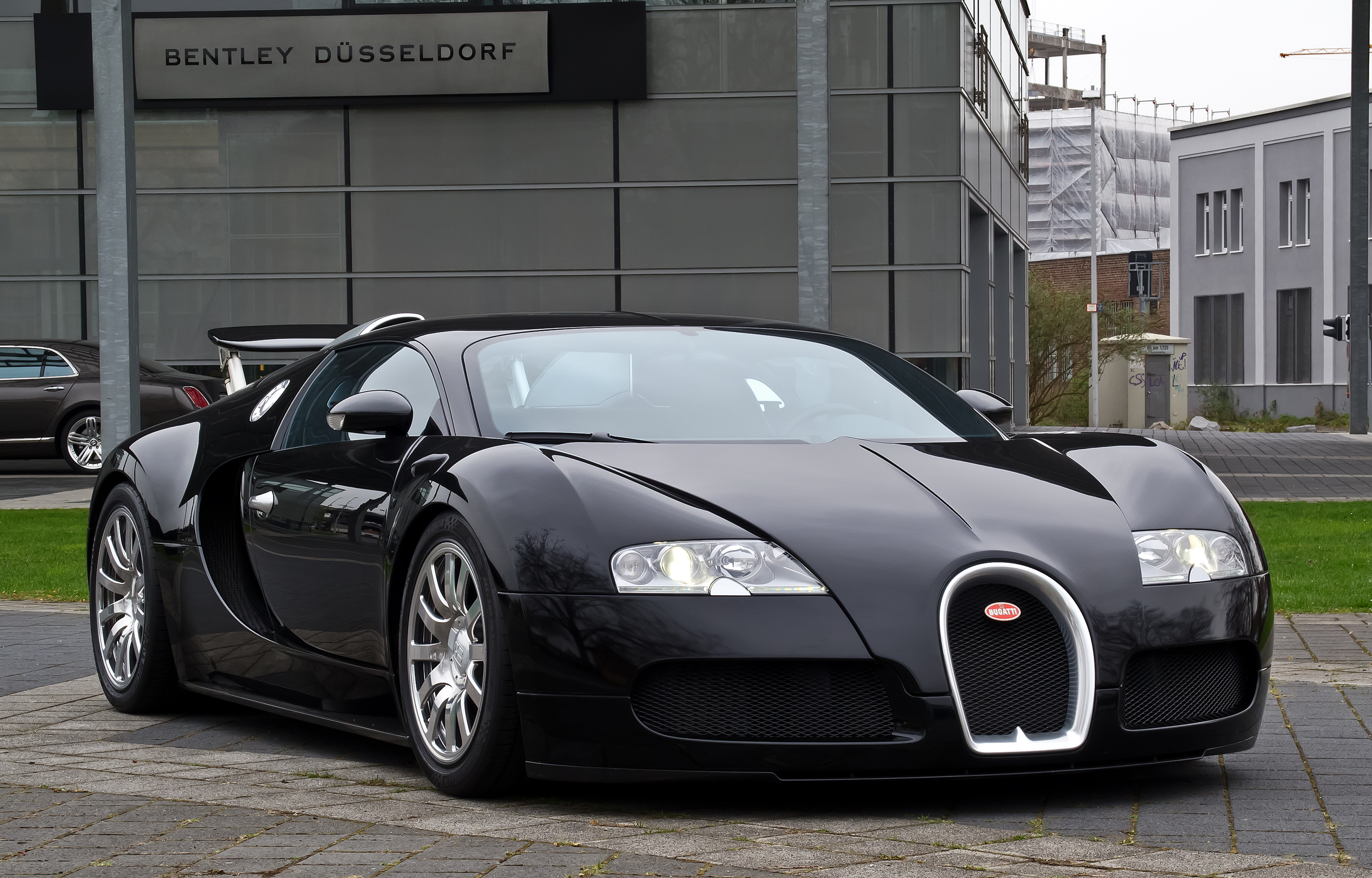
Take the Bugatti Veyron for example. Half the appeal is the workhorse engine equipped in every Bugatti. However, without the other half, design, no Bugatti's would be sold. The sleek exterior allows the Veyron to achieve and sustain high speeds by making it more aerodynamic. However, the primary function of the exterior is to attract customers by being apealling. The first thing someone notices about cars, houses, and even other people is how they look. I believe the Veyron's sexy frame sells itself. Even though the Veyron is a model of excellent design, if its look compromised its function, it would be useless. This leads me to what I feel was the most important lesson of Week 1: how we, as students, categorize and define good design. Even though as students we will be taught the intricacies and opposing opinions of design over the course of the semester, it is important to have our own definition of design and use that as a compass to navigate through the course. My definition of good design was that good design must be creative and original without compromising the original function for which it was designed in the first place.
 Take the Erasmus bridge in Rotterdam of the Netherlands for example. The purpose for which the bridge was designed was to link two areas of the city separated by water. Obviously, the bridge is superb in its design. But if for some reason the structure caused the bridge collapse, it could no longer be called good design because the structure came at the cost of sacrificing purpose.
No comments:
Post a Comment